

Exploring the Magnificent Mexico City Metropolitan Cathedral
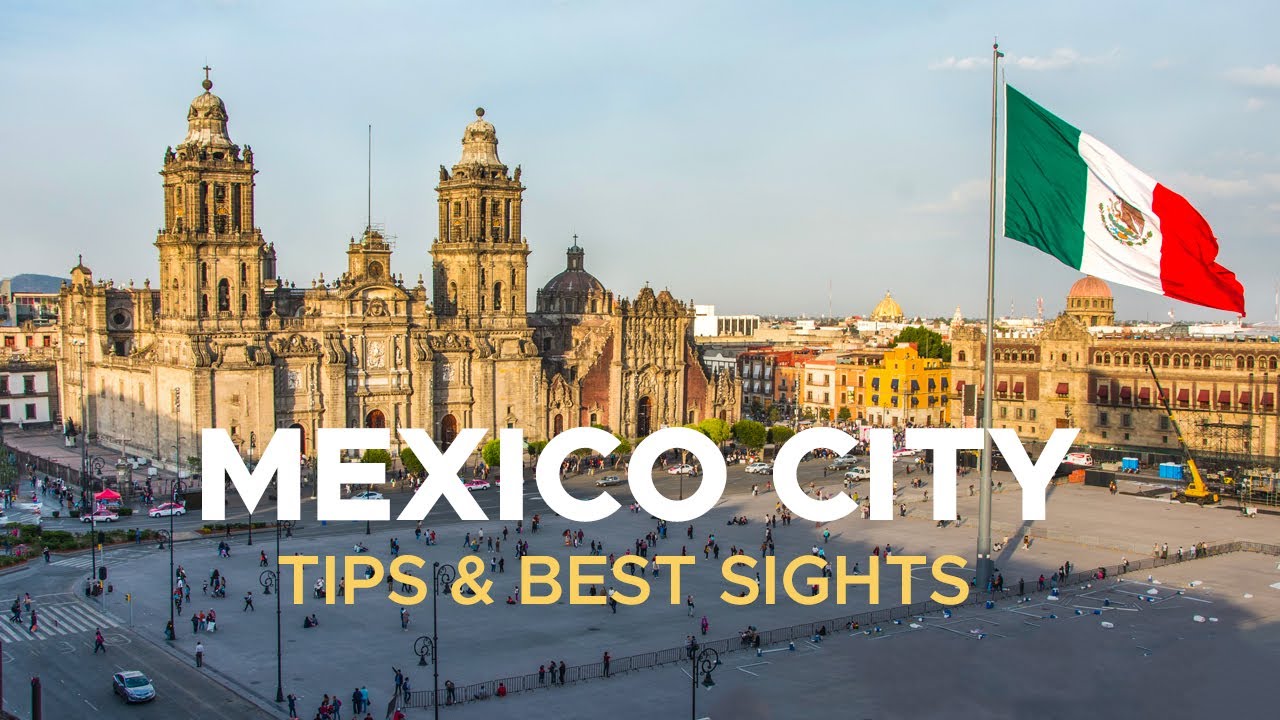
As one of the most prominent landmarks in the heart of Mexico City, the Mexico City Metropolitan Cathedral beckons travelers from all over the world. This stunning piece of architecture, which stands as the largest cathedral in the Americas, is a testament to the country’s rich history and religious heritage. Built over a span of nearly 250 years, the cathedral showcases a blend of architectural styles, including Baroque, Gothic, and Neoclassical.
Architectural Grandeur of the Metropolitan Cathedral
One of the highlights of exploring the Mexico City Metropolitan Cathedral is appreciating its architectural grandeur. The cathedral’s façade is a masterpiece, featuring intricate carvings and sculptures that depict various religious scenes. Inside, the cathedral houses 16 chapels, each showcasing a unique style and dedicated to a different saint. One of the most awe-inspiring features is the Altar of the Kings, an elaborate altar adorned with gilded sculptures of various saints and monarchs.
The Cathedral’s Rich History and Cultural Significance
The Mexico City Metropolitan Cathedral is steeped in history. Its construction began in 1573 on the site of an ancient Aztec temple and was completed in 1813. This long construction period led to a mix of architectural styles, making it a fascinating study for architecture and history enthusiasts. The cathedral is not just a place of worship, but also a cultural symbol of Mexico, reflecting its complex history and diverse influences.
Experiencing the Metropolitan Cathedral
Visiting the Mexico City Metropolitan Cathedral offers a unique experience. From the ringing of the ancient bells to the artful display of religious relics, there’s much to explore. Don’t miss the chance to climb to the bell towers for a panoramic view of the Zocalo and beyond. Also, witnessing a mass at the cathedral provides a glimpse into the deep-rooted religious traditions of Mexico.
The Rich History Behind the Mexico City Metropolitan Cathedral
The Mexico City Metropolitan Cathedral, standing tall in the heart of Mexico City, holds a rich history that goes back to the 16th century. Constructed atop the sacred precinct of the Aztec city of Tenochtitlan, the cathedral represents the convergence of two cultures and epochs. Its construction started in 1573, but due to a series of interruptions and architectural modifications, it was not completed until 1813, making it a blend of different architectural styles.
The Architectural Evolution
The Cathedral’s architectural evolution over the centuries is one of its most fascinating aspects. Initially, the cathedral bore the hallmark of the Renaissance style, but later additions incorporated elements of the Baroque and Neo-classic styles. The cathedral’s façade, adorned with sculptures of saints and apostles, is a stunning example of Spanish Baroque architecture. Inside, the cathedral houses five naves and 16 chapels, each exhibiting unique architectural characteristics and embellishments.
The Role in Colonial Mexico
Throughout the colonial period, the Mexico City Metropolitan Cathedral played a crucial role as the spiritual center of New Spain. The cathedral was the venue for coronations, royal marriages, and the proclamation of peace treaties. It also served as a stage for major religious events and processions, symbolizing the power and influence of the Catholic Church in the region.
The Preservation Efforts
Over the years, the cathedral has undergone significant restoration and preservation efforts. The sinking of the cathedral due to the soft clay soil of Mexico City posed a major challenge. In the late 20th century, a significant restoration project was undertaken to prevent further sinking and structural damage. Today, the cathedral stands not just as a place of worship but also as a testament to the city’s resilience and commitment to preserving its rich historical heritage.
Essential Guide to Visiting the Mexico City Metropolitan Cathedral
The Mexico City Metropolitan Cathedral, a majestic architectural masterpiece, is a must-visit for any traveler. Nestled in the heart of Mexico City, this historic monument is a fusion of three distinct architectural styles: Gothic, Baroque, and Neoclassical. Its intricate façade, towering altars, and extensive collection of religious art make it an unmissable destination.
Planning Your Visit
When planning your visit, consider the opening hours of the cathedral. It is generally open from 8:00 AM to 8:00 PM daily, but it’s best to check the official website for the most up-to-date information. The cathedral offers free entry, but donations are appreciated. For a deeper understanding of the cathedral’s history and art, guided tours are available at a nominal fee.
What to See
There is much to explore within the cathedral. Start with the Altar of the Kings, a stunning Baroque altar adorned with statues of various saints and monarchs. The cathedral also houses 16 chapels, each with its own unique charm and historical significance. Don’t miss the Sagrario Metropolitano, a stunning adjacent church known for its Churrigueresque façade.
Respecting Local Customs
While the Mexico City Metropolitan Cathedral is a popular tourist destination, it is also a place of worship. Visitors are expected to dress modestly and maintain silence inside the cathedral. Photography is allowed, but without the use of flash. Respecting these customs will ensure a pleasant visit for all.
Understanding the Architectural Marvel of the Mexico City Metropolitan Cathedral
Steeped in history and brimming with architectural splendor, the Mexico City Metropolitan Cathedral stands as a testament to the rich cultural heritage of Mexico. This grand structure, built over three centuries, is a blend of three architectural styles: Gothic, Baroque, and Neoclassical, each contributing to its unique charm and aesthetic appeal.
Unveiling the Gothic Influence
The Gothic influence in the cathedral’s architecture is evident in its vaulted ceilings, pointed arches, and intricate stone carvings. These elements add a sense of grandeur and spiritual upliftment, reminiscent of the Gothic cathedrals of medieval Europe. However, the Mexico City Metropolitan Cathedral stands out for its indigenous influences, blending European architectural principles with local artistic traditions.
Exploring the Baroque and Neoclassical Styles
As the architectural styles transitioned over the centuries, the cathedral’s design also underwent significant transformations. The Baroque style is showcased in the elaborate ornamentation, dramatic use of light, and complex geometric patterns. On the other hand, the Neoclassical style is represented in the cathedral’s symmetrical layout, clean lines, and classical motifs, providing a stark contrast to the intricacy of the Baroque elements.
Architectural Elements of the Cathedral
- Altars: The cathedral houses several ornate altars, each an architectural masterpiece in its own right.
- Chapels: The fourteen chapels, each dedicated to a different saint, exhibit distinct architectural styles and decorations.
- Organ: The cathedral’s organ, one of the largest in the Americas, is a magnificent example of 18th-century craftsmanship.
- Bell Towers: The two bell towers, housing a total of 25 bells, dominate the cathedral’s façade and offer breathtaking views of the city.
Every corner of the Mexico City Metropolitan Cathedral exudes architectural brilliance, reflecting the skill and artistry of the craftsmen who contributed to its construction. A visit to this architectural marvel offers a deep dive into Mexico’s rich cultural and architectural history.
Unraveling the Cultural Significance of the Mexico City Metropolitan Cathedral
The Mexico City Metropolitan Cathedral is a symbol of the rich cultural heritage of Mexico. Built over the span of three centuries, the cathedral is a testament to the blend of various architectural styles, including Baroque, Neo-classic, and Gothic, reflecting the diverse cultural influences that have shaped Mexico.
Historical Importance
The cathedral, located on the Zocalo Plaza, is built on the site of the main Aztec temple, Templo Mayor, further emphasizing its historical significance. This iconic structure not only served as a religious center but also played a crucial role in social and political events throughout Mexico’s history. It stands as a witness to the country’s transition from pre-Columbian times, through the Spanish colonial period, to the modern era.
Cultural and Artistic Influence
The Mexico City Metropolitan Cathedral is home to a wealth of art and cultural artifacts. It houses an extensive collection of ecclesiastical art, including exquisite altarpieces, paintings, sculptures, and other religious objects, many of which were created by prominent artists of the colonial period. The cathedral’s intricate design and ornate decorations are a testament to the country’s rich artistic traditions and craftsmanship.
Religious Significance
As the largest and oldest cathedral in the Americas, the Mexico City Metropolitan Cathedral holds immense religious significance. It serves as the seat of the Roman Catholic Archdiocese of Mexico, making it a central hub for religious activities. Its numerous chapels, dedicated to various saints, draw devotees from around the world, adding to its cultural importance.